Article Overview
A coarse wavelength spectrometer is an instrument designed to measure spectral components with lower spectral resolution, trading fine detail for broader coverage or improved signal-to-noise performance.
Overview
A coarse wavelength spectrometer measures the intensity of light across a range of wavelengths but with lower spectral resolution compared to high-resolution spectrometers. This means it cannot distinguish very closely spaced spectral features but can efficiently capture broader spectral bands. Such instruments are often used when high spatial resolution or low-cost design is prioritized over fine spectral detail, such as in satellite remote sensing or environmental monitoring .
Function and Design
Coarse spectrometers typically use diffraction gratings, prisms, or filter-based systems to separate light into wavelength bands. In satellite applications, for example, sensors operating in the shortwave-infrared (SWIR) CO2 absorption bands may reduce spectral resolution to achieve sufficient signal-to-noise ratio while maintaining fine ground resolution . This trade-off allows the instrument to detect localized emission sources effectively without requiring complex, high-cost optics.
Applications
- Satellite Remote Sensing: Coarse spectrometers are used in satellites to monitor greenhouse gases like CO2. By coarsening the spectral resolution, instruments can still retrieve column-averaged gas concentrations with acceptable accuracy while simplifying the sensor design .
- Laboratory and Field Spectroscopy: In optical labs, coarse spectrometers can provide quick spectral characterization of light sources, lasers, or chemical samples where ultra-high resolution is not necessary .
- Industrial Monitoring: Coarse spectrometers are used in process control, quality assurance, and environmental monitoring where broad spectral trends are more important than fine spectral lines .
Advantages and Trade-offs
- Advantages: Lower cost, simpler design, faster measurements, and better signal-to-noise performance for broad spectral features.
- Trade-offs: Reduced ability to resolve closely spaced spectral lines, potential for spurious correlations in complex scenes (e.g., light scattering effects in satellite measurements), .
Summary
A coarse wavelength spectrometer is ideal when broad spectral coverage, cost efficiency, or high spatial resolution is more critical than resolving fine spectral details. It is widely used in satellite sensors, laboratory spectroscopy, and industrial applications, providing a practical balance between measurement accuracy and operational efficiency .
Fiberdyne Labs'' Intro to Coarse Wavelength Division Multiplexing
Fiberdyne Labs'' Coarse Wavelength Division Multiplexing (CWDM) is a technique, which uses a special property of fiber-optics.
What is Coarse Wavelength Division Multiplexing Technology
What is Coarse Wavelength Division Multiplexing Technology What is Coarse Wavelength Division Multiplexing Technology No
Wavelength-scale noise-resistant on-chip spectrometer
The authors demonstrate a wavelength-scale on-chip spectrometer that uses inverse designed resonances to achieve

Understanding CWDM: Coarse Wavelength Division Multiplexing & Its
Explore CWDM (Coarse Wavelength Division Multiplexing) and its significance in optical networks. Learn how CWDM
CWDM (coarse wavelength division multiplexing)
Coarse Wavelength Division Multiplexing (CWDM) is a technology used in fiber optic communication networks to
Spectrometers Qwave
This is a compact USB spectrometer with high resolution, dynamic range and sensitivity for UV–VIS–NIR measurements. Combined
Standard Measurement and Analysis Programs
Measure the absorbance, transmittance, or reflectance of a sample at a fixed wavelength. Up to twenty different wavelengths can be
Coarse Phasing Detection Using Multiwavelength Wavefront
For interferometry, the required accuracy of the transition from the coarse phasing stage to the fine phasing stage is
Thorlabs · Diffraction Gratings Tutorial
Introduction Diffraction gratings, either transmissive or reflective, can separate different wavelengths of light using a repetitive
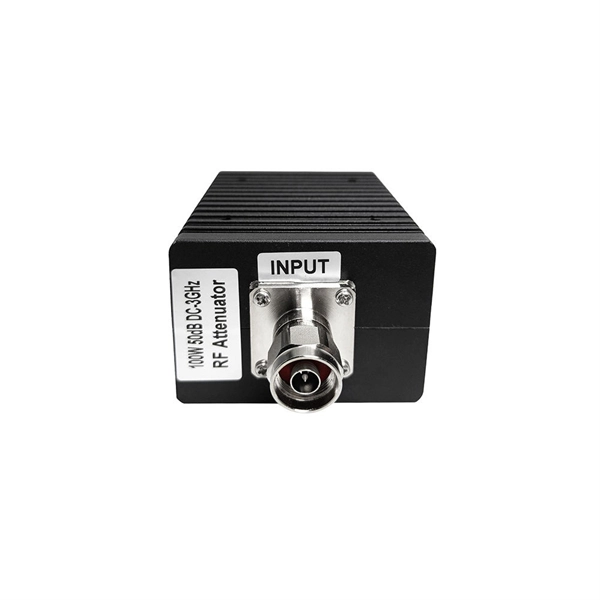
CWDM vs DWDM explained: key differences and when to use each
CWDM vs DWDM explained: key differences and when to use each Wavelength Division Multiplexing (WDM) allows multiple data
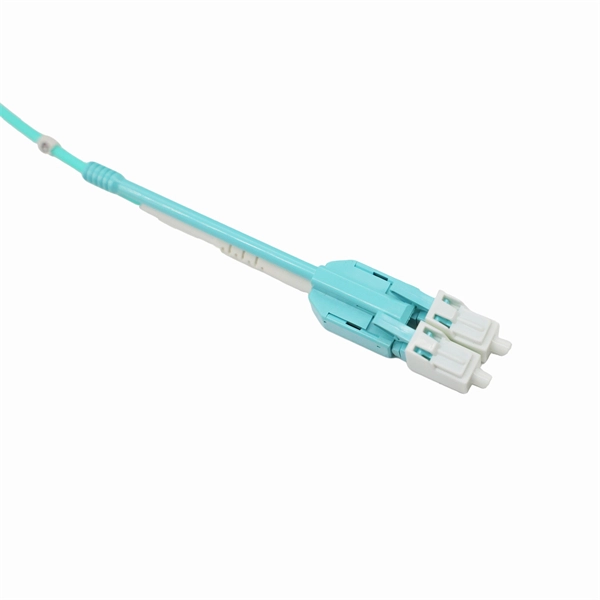
Fast wavelength calibration method for spectrometers based on
A novel fast wavelength calibration method for spectrometers based on a standard spectrometer and a double metal
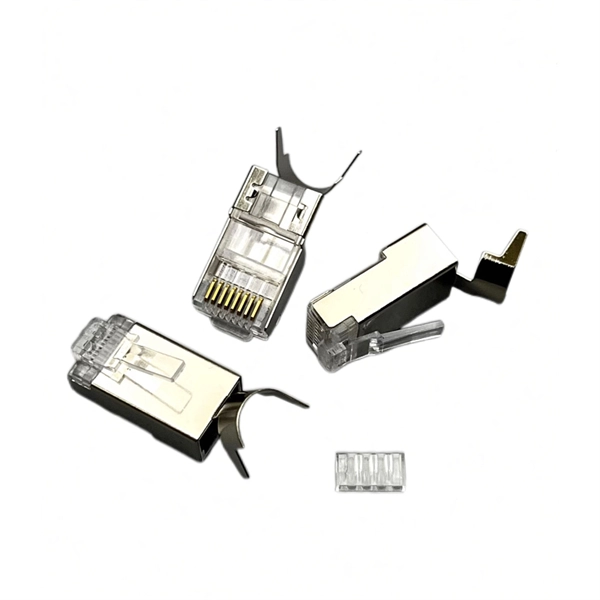
COARSE WAVE DIVISION MULTIPLEXING (CWDM)
Coarse Wavelength Division Multiplexing (CWDM) is a technology that combines multiple optical signals on a single fiber optic cable.
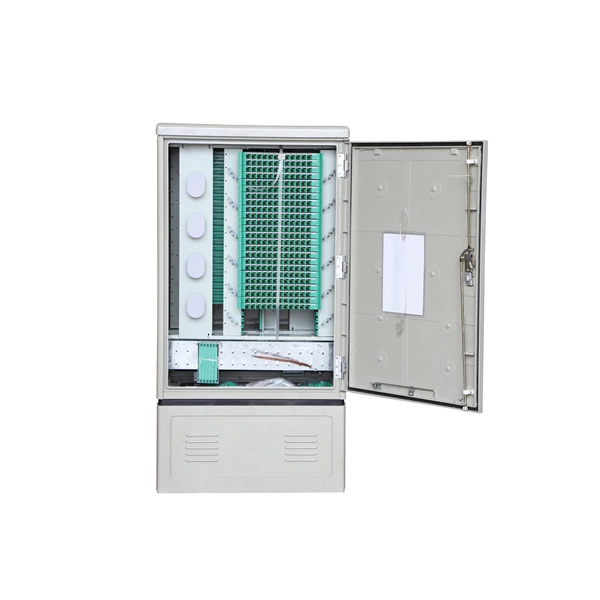
What Is CWDM (Coarse Wavelength Division Multiplexing) and Its
However, deploying it universally is costly. Wavelength Division Multiplexing (WDM), which includes Coarse WDM
What is CWDM (Coarse Wavelength Division
What is Coarse Wavelength Division Multiplexing? Coarse Wavelength Division
CWDM4: 100G Coarse Wavelength Division Multiplexing Technology,
What is CWDM4? CWDM4 (Coarse Wavelength Division Multiplexing 4) is a four-wavelength multiplexing specification
Spectrometer for Mid-IR, NIR, IR, VIS and UV
High-Resolution Spectrometer waveScan is a compact tool and suited for Wavelengths from 200 nm – 6.3
Coarse Wavelength-division Multiplexing
Coarse Wavelength-division Multiplexing The development of CWDM (coarse wavelength-division multiplexing), an intermediate
Accurate Wavelength Calibration Method for Spectrometer Using Low
Dispersive spectrometers are subject to wavelength dispersion errors due to aberration, ruling errors, etc. Thus, their
Wavelength Meters & Spectrum Analyzers | Bristol Instruments
Our line of optical and multi-wavelength meters provides accurate, fast and cost effective wavelength measurement for testing optical
Spectrometers & Spectroscopy Equipment | Edmund Optics
Optical spectroscopy is a technique that analyzes how light interacts with matter to reveal the spectral characteristics of a sample. By
The Basics of UV-Vis Spectroscopy
Spectroscopy allows the study of how matter interacts with or emits electromagnetic radiation. There are different types of
Spectrometer | Optical, Light & Wavelength | Britannica
Spectrometer, Device for detecting and analyzing wavelengths of electromagnetic radiation, commonly
HighFinesse | Wavemeter
The robust HighFinesse/Ångstrom high precision wavelength meters with their world leading Fizeau-technology are designed for
AMT
Here, we use measurements of the Greenhouse Gases Observing Satellite (GOSAT) to evaluate the
Spectrometer for Mid-IR, NIR, IR, VIS and UV
This technology enables it to cover a wide wavelength range from 200 nm to 6300 nm. Especially at wavelengths beyond silicon and
WDM: Everything You Need to Know
WDM: Everything You Need to Know Wavelength Division Multiplexing (WDM) is a technology used in optical
Fundamentals of Coarse Wavelength Division Multiplexing
what is CWDM? Coarse Wavelength Division Multiplexing is a variation of Wavelength Division Multiplexing (WDM)
Spectrometer
Optical spectrometers (often simply called "spectrometers"), in particular, show the intensity of light as a function of wavelength or of
Introduction to Coarse Wavelength Division Multiplexing (CWDM
Coarse Wavelength Division Multiplexing (CWDM) is a proven, reliable, and cost-effective alternative that can extend the capacity
Coarse Wavelength Division (De)Multiplexer Based on Cascaded
We propose a coarse wavelength division (de)multiplexer by cascading wavelength filters. Assisted by topology optimization, four
HighFinesse | Laser and Electronic Systems
HighFinesse GmbH is the leading supplier for wavelength measurement instruments, including the WS8, the most accurate
Broadband miniaturized spectrometers with a van der Waals tunnel
Here, the authors report a high-performance broadband spectrometer based on a van der Waals heterostructure
Optical convolutional spectrometer
Optical spectrometers are fundamental across numerous disciplines. However, miniaturized versions, while essential
How to Design a Spectrometer
Designing a spectrometer requires knowledge of the problem to be solved, the molecules whose properties will
Wavelength Division Multiplexing – WDM, coarse,
Wavelength division multiplexing is a multiplexing technique working in the wavelength domain. It is
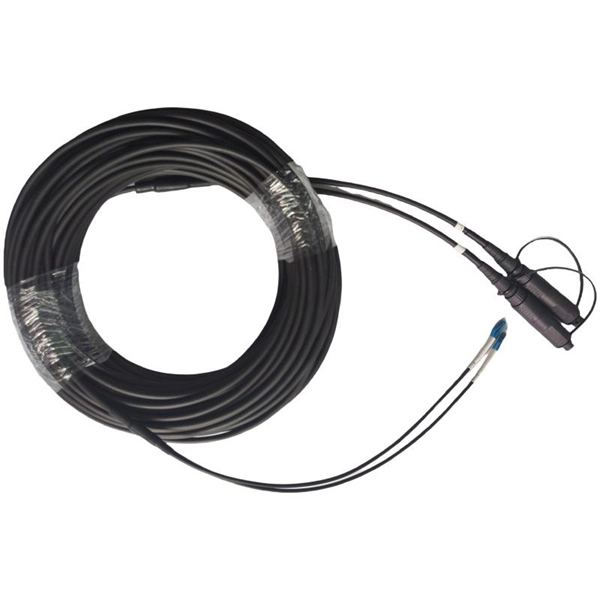
Wavemeters – wavelength meters, interferometer,
Using a wavemeter is usually more precise than measuring a wavelength with a spectrometer. The
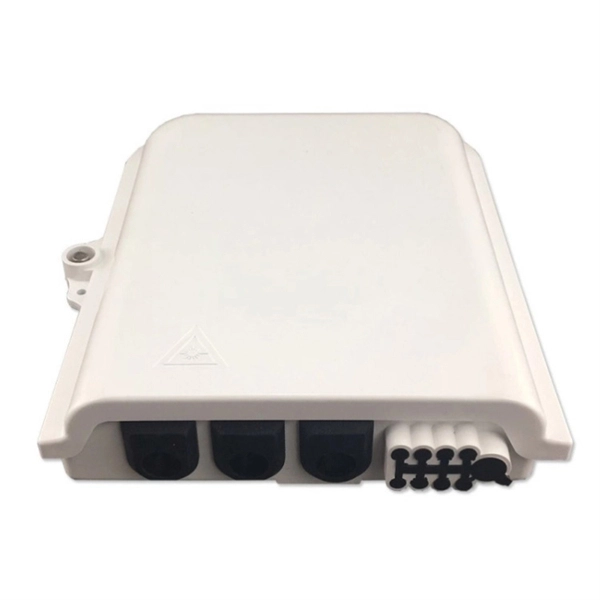
What is CWDM (Coarse Wave Division Multiplexing)?
Coarse wave division multiplexing (CWDM) allows several signals to be transmitted simultaneously at various wavelengths via a
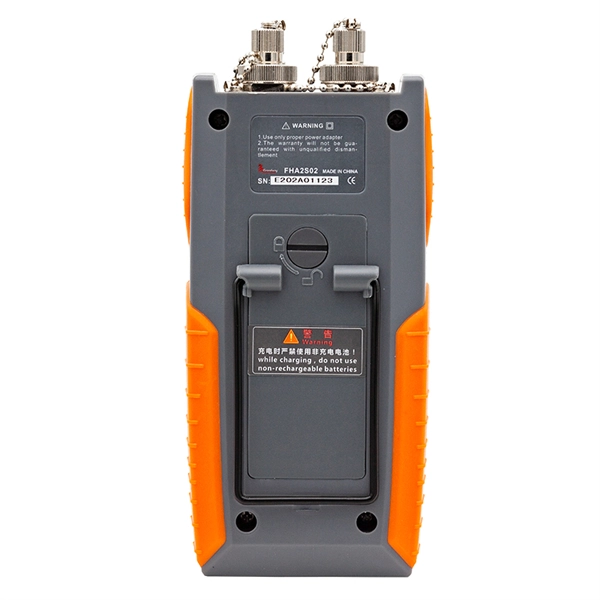
CWDM – Coarse Wavelength Division Multiplexing
CWDM – Coarse Wavelength Division Multiplexing Fiber equipment suppliers often use two optical wavelengths to enable
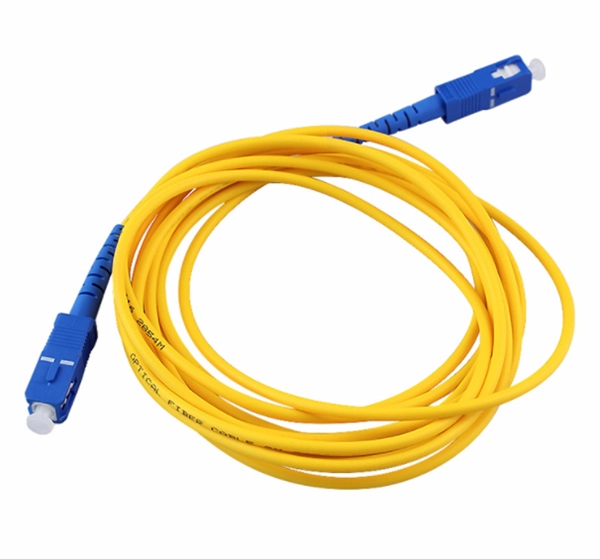
Coarse Wavelength Division Multiplexing (CWDM)
CWDM (Coarse Wavelength Division Multiplexing) is an optical multiplexing technology for
Related Resources
- ST400 Adapter
- Price List for 8-Port Fiber Optic Switches
- Outlets outside the distribution box
- Kuwait Polyurethane Cable Tray Manufacturer
- Fiber optic cable box connector
- Guide to Low-Noise Selection of Silicon Photonics Technology for Safe City-Level Projects
- Acceptance Standards for Buried Optical Cables
- Kazakhstan pigtail connectors smart vs wireless
- Vibration-resistant cable tray hangers
- Flame-retardant server racks in Afghanistan
- Senegal Price of Single-Fiber Bidirectional DML
- Is an optical module absolutely necessary for data transmission
- Making wire clamps for electrical boxes
- UAE Rack DC Power Distribution Unit 2U
- Chile CIF price ADSS optical cable 2 cores
- Four-core single-mode fiber optic communication
- Short-circuit current of 35kV busbar
- Red House Electrical Distribution Box
- Direct Sales of Bridge Trays in Democratic Republic of Congo
- Compatible SFP optic hybrid cable Iranian supplier
- How much electricity does a cold aisle server rack consume