Article Overview
The primary national standards for galvanized steel cable trays in North America are NEMA VE 1-2017 and CSA C22.2 No. 126.1-17, which specify manufacturing, galvanization, load ratings, and installation requirements.
Overview of Standards
NEMA VE 1-2017 is the U.S. standard published by the National Electrical Manufacturers Association (NEMA) and harmonized with the Canadian CSA C22.2 No. 126.1-17 standard. It covers metal cable tray systems, including ladder, ventilated trough, solid bottom, and wire mesh trays, along with associated fittings. The standard specifies material requirements, load/span classifications, and manufacturing tolerances for steel cable trays, including galvanized finishes, ensuring compliance with the National Electrical Code (NEC) . CSA C22.2 No. 126.1-17 is the Canadian counterpart, harmonized with NEMA VE 1, providing identical technical content for conformity assessment in Canada. It ensures that galvanized steel cable trays meet Canadian Electrical Code (CEC) Part 1 requirements, including safety, structural integrity, and corrosion protection .
Galvanization and Corrosion Protection
Galvanized steel cable trays are protected against corrosion through hot-dip galvanization or electro-galvanization. Hot-dip galvanization involves immersing steel in molten zinc, forming a zinc coating that provides sacrificial protection, while electro-galvanization deposits a thinner zinc layer via electrolysis. The thickness of the zinc coating directly affects corrosion resistance, and standards specify minimum coating thicknesses for different environmental conditions . The protective zinc layer naturally oxidizes to form zinc carbonate, creating a durable patina that shields the steel from further corrosion. This ensures long-term durability in indoor, outdoor, and industrial environments .
Compliance and Installation
Both NEMA VE 1 and CSA C22.2 No. 126.1-17 provide guidance on:
- Load ratings and span lengths for various tray types
- Fittings and accessories compatibility
- Installation practices to maintain structural integrity and electrical safety
- Maintenance and system modifications to ensure ongoing compliance These standards are widely recognized for conformity assessment, and manufacturers often provide UL or CSA certification to demonstrate compliance.
Practical Implications
For engineers, contractors, and maintenance personnel, adherence to these standards ensures:
- Safe support of power and control cables
- Resistance to corrosion in diverse environments
- Compatibility with electrical codes in the U.S. and Canada
- Predictable mechanical performance under load In summary, NEMA VE 1-2017 and CSA C22.2 No. 126.1-17 define the national standards for galvanized steel cable trays, covering material specifications, galvanization, load ratings, and installation requirements, ensuring safety, durability, and code compliance across North America.
Cable Tray Specifications and Sizes | PDF | Galvanization
The document specifies requirements for cable trays, including that they be fabricated from galvanized sheet steel in standard
222 MANUFACTURING LTD
Steel (Pre-Galvanized) Pre-galvanized steel, is produced in a rolling mill by passing steel coils through molten zinc. These coils are
Cable Tray Technical Guide A practical guide to product selection and
Cable Tray Technical Guide A practical guide to product selection and installation This guide for engineers and installers has been
Cable Tray Institute
The Cable Tray Institute (CTI) was founded in 1991 to support the cable tray industry by engaging in research, development,
2 0 0 5
INTRODUCTION The B-Line Cable Tray Manual was produced by B-Line''s technical staff. B-Line has recognized the need for a

Cable Tray Specifications and Compliance
The document is a compliance statement for cable trays being used on a construction project. It lists the project details and 14
12-SDMS-06
Carbon steel cable trays intended for installation in corrosive or highly corrosive environments with severe alkaline and acidic

12-SDMS-06
Cable tray shall be fabricated either from corrosion resistant metal such as aluminum alloy or carbon steel with corrosion resistant
Full cable tray systems specification document
A. General: Except as otherwise indicated, provide metal cable trays, of types, classes and sizes indicated; with splice plates, bolts,
IEC Standard for Cable Tray: Complete Technical Guide
Understanding the IEC Standard for Cable Tray Cable trays play a vital role in supporting

Galvanized Cable Tray Zinc Coating Standards and
The galvanization process is the primary anti-corrosion treatment for cable trays. The quality
Cable Trays
Cable trays in nuclear power plants are most often made of steel (galvanized steel or stainless steel). The cable spans consist of
What is the national standard for the thickness of cable trays
The thickness standard for galvanized (steel) Cable Trays is based on GB/T 14540-2020 "Cable Trays" (the latest
NEMA Standards Publication VE 2-2018
Cable trays made from mill-galvanized steel do not need to be touched up because they are not designed to be used in heavily

Standard for Installing Metal Cable Tray Systems
Metal cable tray systems for power communications cabling shall be installed in accordance with NECA/NEMA 105, Standard for

Cable tray manual
INTRODUCTION The B-Line series Cable Tray Manual was produced by our technical staff. We recognize the need for a complete
GUIDE CABLE TRAYS TECHNICAL
In accordance with its continuous impro-vement policy, Legrand reserves the right to change the specifications and illus-trations
Cable Tray Design and Standards Guide | PDF | Sheet Metal
The document outlines codes and standards that must be followed for design and construction of cable trays and their components.
Practices for grounding and bonding of cable trays
A bare copper equipment grounding conductor should not be placed in an aluminum cable tray due to the potential for electrolytic
Codes and Standards | Cable Tray Institute
NEMA VE 2 – This standard is a practical guideline used by engineers, contractors and maintenance personnel for the proper

Practices for grounding and bonding of cable trays
Grounding and bonding of cable trays There are three wiring options for providing an EGC in
Metal Cable Tray Systems Standard NEMA VE 1-2017
NEMA VE 1-2017 standard for metal cable tray systems. Covers construction, materials, dimensions, load capacity, and testing.
Cable tray
Common cable trays are made of galvanized steel, stainless steel, aluminum, or glass-fiber reinforced plastic. The material for a
Cable Trays | Perforated Cable Tray Systems | RMS Corporation
Cable Tray systems are designed and manufactured according to National (Indian Standard, CPRI) and International Standards
QCS 2010: Cable Tray Specifications | PDF | Cable | Screw
Tray components must be accurately formed to tolerances with rounded edges. Cable trays installed in hazardous environments
IEC 61537:2023 | IEC
IEC 61537:2023 specifies requirements and tests for cable tray systems and cable ladder systems intended for the support and
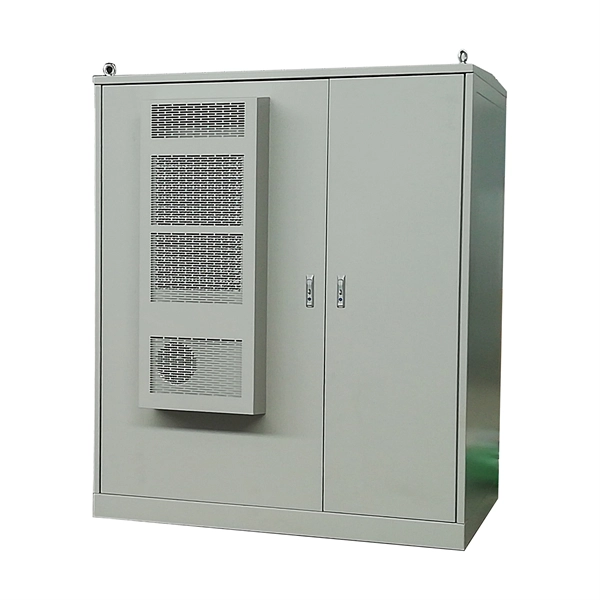
What Are The Standards For Cable Tray Installation?
Cable tray manufacturers in India have to follow the standards set by NEMA that define the types of environments for

Cable Tray Standards | Cable Management | Metsec
Cable Management - Cable Tray Systems Standards. Contact Our Dedicated Support Team On +44 (0)121 6016000.
Related Resources
- Where are the cable tray manufacturers in Panama
- Good cable tray companies in Dubai
- Which company supplies fiber optic cables gyxtw
- 10 Gigabit Multimode Bundled Fiber Optics
- Where can I buy fiber optic cable in the UAE
- Multilayer laser diode models
- KVM Switcher Transmission Effect
- Latvia Outdoor Fireproof Cable Trays
- Advantages of optical cable loop testing
- Nicaragua tariff cost of vertical cavity surface-emitting laser 100G
- Communication cable tray price
- Function and Schematic Diagram of Industrial Switches
- Dimensions of a Waterproof Electrical Distribution Box in Spain
- CAD Price of Distribution Box
- Samoa Distribution Box Installation Time Requirements