Article Overview
A Layer 3 switch can connect directly to broadband by configuring a routed port or SVI with an IP address and a default route pointing to the ISP gateway.
Key Considerations
- Enable Layer 3 Routing Before connecting broadband, the switch must have Layer 3 functionality enabled using the command
ip routingon Cisco devices . This allows the switch to perform routing between VLANs and external networks. - Routed Port vs SVI
- Routed Port: Convert a physical interface into a Layer 3 interface using
no switchportand assign it an IP address. This is ideal when only one physical connection exists to the broadband modem . - Switch Virtual Interface (SVI): Used when multiple ports belong to a VLAN. The SVI acts as the default gateway for that VLAN, but traffic still passes through Layer 2 logic before routing .
- Routed Port: Convert a physical interface into a Layer 3 interface using
- IP Addressing Assign a public IP address to the routed port or SVI if connecting directly to an ISP. Private IP addresses cannot be used unless NAT is handled by another device, as Layer 3 switches typically do not support NAT .
- Default Route Configuration Set a default route pointing to the ISP gateway using the command:
CodeCopy
ip route 0.0.0.0 0.0.0.0 <ISP_gateway_IP>This ensures that all traffic destined for external networks is forwarded correctly . - VLAN and Inter-VLAN Routing If internal VLANs exist, the Layer 3 switch can route traffic between VLANs and to the broadband connection. Each VLAN should have an SVI configured with its own IP address, and the default route should point to the ISP gateway .
- Limitations
- Layer 3 switches do not provide NAT, so direct broadband connections require public IPs.
- Advanced features like traffic identification or deep packet inspection may require a dedicated gateway device .
Example Configuration (Cisco)
CodeCopyinterface gigabitethernet0/1 no switchport ip address 203.0.113.2 255.255.255.252 ip route 0.0.0.0 0.0.0.0 203.0.113.1
This configures a routed port with a public IP and sets the default route to the ISP gateway. Internal VLANs can still be routed via SVIs.
Summary
Connecting broadband directly to a Layer 3 switch is feasible by enabling Layer 3 routing, configuring a routed port or SVI with a public IP, and setting a default route to the ISP gateway. Careful planning of VLANs, IP addressing, and routing ensures proper internet access while maintaining internal network segmentation.
networking
I have an HP ProCurve 8212zl Switch which I am currently configuring from scratch. This switch is a Layer 3 switch,
Can internet gateways be plugged straight into a layer 2 switch?
My boss plugged the server straight into the provider''s layer 2 switch (the installer described it as a layer 2 switch without any routing
How To Use A Layer 3 Switch In A Small Network
A Layer 3 switch can perform IP routing tasks as well as Layer 2 tasks such as VLANs. Moreover, a Layer 3 switch can typically

Layer 3 Routing – Ubiquiti Help Center
Layer 3 Routing is enabled by setting the Router option on a new or existing Virtual Network to the UniFi Switch. Afterwards, an
Connecting an internet connected router to a layer 3 switch?
I have previously been using a router on a stick network and decided to switch over to intervlan routing instead since I was using

Solved: Setting up internet on Layer3 Switch
Thank you very much all your help, So I will need to buy a router and configure a port to the internet and connect the
Connecting a layer 3 switch to a router over ISP
Good morning. I have a Cisco C3650 (layer3 switch) that I want to connect with fiber to a Cisco 2951. I have the same
Layer 3 Switches Explained: Architecture, Routing Logic, Use Cases,
A Layer 3 switch combines the high-speed forwarding capability of a Layer 2 switch with the routing intelligence of a
Here''s Why Your Network Might Need a Layer 3 Switch
What Is a Layer 3 Switch? A Layer 3 switch is a specialized hardware device used in
Layer 3 Switching
Hi there! I''m a sysadmin that''s being forced a bit into network administration. I''m considering a move to layer 3
Fundamentals of Operations on a Layer 3 Switch
Now they are available for direct connectivity to the "internal router" of the L3 Switch. And they work and act as directly connected

Solved: Setting up internet on Layer3 Switch
Layer 3 switch doesn´t support NAT. So you cannot use private IP addresses. If you will use public addresses then
Layer 2 and Layer 3 switch in networking
In this article I describe the role and function of Layer 2 and Layer 3 switch in networking. Switch forwards the data packets within the

Network Switches: Layer 2 vs Layer 3
Network switches are integral components in modern networking, responsible for directing traffic between
Routers and Layer 3 Switching
However, a Layer 3 switch has the ability to reprogram the hardware dynamically with the current Layer 3 routing information. This is
Routers and L3 Switches | NetworkAcademy.IO
Learn how routers and Layer 3 switches connect networks, route IP packets, and enable fast inter-VLAN communication in modern
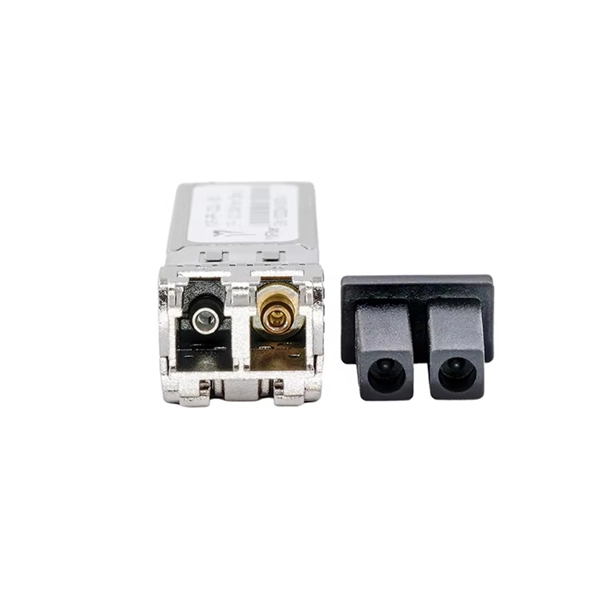
L3 Switch to internet connectivity
I have a Cisco Switch 3850X which is totally fibre interfaces. I have created 5 vlan and there is intervlan routing at L3
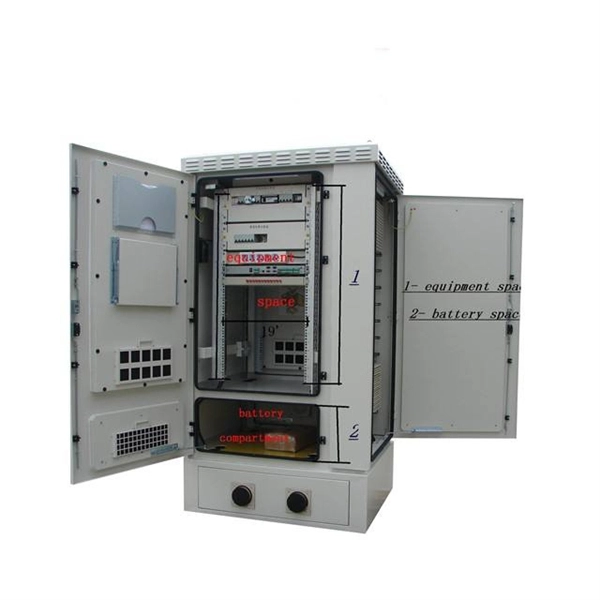
Layer 3 switches explained
Layer 3 switches, on the other hand, use a switch backplane that has bandwidth capacity far greater than that of a
VLAN Routing with Layer 3 Switch Routed Ports
When a Layer 3 switch needs a Layer 3 interface connected to a subnet, and only one physical interface connects to that subnet, the
Layer 3 switch ISP connectivity
Yes, unless this if for an IoT or other network where you plan on putting everything directly on the public Internet with
Intervlan routing (Layer 3 switch) and internet access.
Hi All, I was just wondering how to setup hosts for internet access in a layer 3 intervlan routing environment. How would I get the
Routing in layer 3 switch vs old modem/router?
In your drawing, the WAN router has no idea that the 192.168.0.0/24 network even exists behind the layer-3 switch, so
What is Layer 3 Switch and How Does it Works?
An introduction to Layer 3 switch and how it works within the network to further understand its benefits and capabilities.
MS Layer 3 Switching and Routing
Layer 3 routing capabilities are available on most Cisco Meraki switches. This allows the switches to route traffic
InterVLAN routing using Layer 3 switch
InterVLAN routing using Layer 3 switch In this lesson, we will learn to configure a multilayer switch (also
Solved: Layer3 switch and router
Correct 3. Do I use that above command on both of my layer 3 switches or just the one connected directly to the
Inter VLAN Routing by Layer 3 Switch
Here is a topology in which we have a layer 3 switch connected to host devices namely PC1, PC2, PC3, PC4. The
Understanding Layer 3 Switches: A Comprehensive Guide
Conclusion Layer 3 switches are powerful networking devices that provide the advanced routing capabilities of routers
Configuring Layer 3 Interfaces
VLAN interface or a switch virtual interface (SVI) is a virtual routed interface that connects a VLAN on the device to the Layer 3 router
Related Resources
- Angola Fiberglass Cable Retardant Tray
- Bahrain High-Speed Optical-Electronic Connection LPO
- Certified Air-Cooled Switch SFP
- Direct supply from manufacturer of buried optical cables
- 720 Indoor Optical Distribution Box
- Problems with the front shelf
- How is the fiber optic router in the Democratic Republic of Congo
- Fiber optic cable for sale in Germany
- No beam splitter installed
- What does an integrated fiber optic melting tray look like
- JKP Distribution Box
- How to connect a 2016 Huijue fiber optic patch cord
- Specifications for overhauling distribution boxes
- Uganda Customs Costs EPON Equipment 40G
- Intelligent use of active optical fiber in metropolitan area networks
- Installation Diagram of Intelligent Indoor Distribution Box
- Brands of Low-Voltage Fiber Optic Patch Panels