Article Overview
Thermal response in the Energy Internet involves using demand-side flexibility, such as pre-heating or pre-cooling, to optimize energy use and reduce grid stress while integrating distributed energy resources.
Energy Internet Overview
The Energy Internet is a concept that combines smart grid technology with Internet-based communication to manage energy resources efficiently. It enables distributed energy resources (DERs), including renewable sources like solar, wind, and geothermal, to be coordinated through advanced information and communication systems. Energy routers, analogous to data routers, manage the flow of electricity and information, ensuring reliability, scalability, and optimized energy utilization across the network .
Thermal Response and Demand Flexibility
Thermal Response refers to the ability of buildings and energy systems to adjust heating or cooling loads in response to grid conditions. This is a key component of thermal demand response, where facilities pre-heat or pre-cool spaces in anticipation of peak demand periods. By shifting energy use away from peak hours, thermal demand response can significantly reduce the need for additional infrastructure, such as heat pump capacity, while still meeting annual heating or cooling requirements .
Thermal Response Testing (TRT)
To implement effective thermal demand response, it is important to understand the thermal characteristics of energy systems. Thermal Response Tests (TRTs) measure the heat transfer properties of borehole heat exchangers and surrounding ground, providing data on effective thermal conductivity and borehole thermal resistance. This information is critical for predicting the performance of ground-source energy systems and optimizing their integration into the Energy Internet . TRTs can be conducted in heat injection or extraction modes, and mobile equipment allows testing at multiple sites efficiently.
Benefits of Integrating Thermal Response in the Energy Internet
- Grid cost reduction: By shifting thermal loads, utilities can avoid expensive peak generation and infrastructure upgrades .
- Enhanced reliability: Distributed thermal systems can act as flexible resources, supporting grid stability during high-demand periods .
- Energy efficiency: Optimizing heating and cooling schedules reduces overall energy consumption and improves utilization of renewable energy .
- Scalability: Thermal demand response can be applied across residential, commercial, and industrial sectors, making it a versatile tool for large-scale energy management .
Conclusion
Integrating thermal response mechanisms into the Energy Internet allows for smarter, more flexible energy management. By combining TRT-informed system design with demand-side thermal flexibility, energy networks can reduce costs, enhance reliability, and maximize the use of distributed renewable resources, creating a more resilient and efficient energy ecosystem.

Advancing the Energy Internet: Innovations and Solutions for a
The Energy Internet represents a transformative paradigm integrating advanced power systems, distributed

Optimal Scheduling of Data Centre Integrated Energy
To address these challenges, this paper proposes a comprehensive optimisation framework
(PDF) Energy Internet: state of the art and challenges
Subsequently, an exploration of energy-routing devices and algorithms employed in prior studies is undertaken. Finally,

A comprehensive review of Energy Internet: basic concept
Abstract With the intensifying energy crisis and envi-ronmental pollution, the Energy Internet and corresponding patterns of energy
Frontiers | A review of energy internet research considering
This is consistent with the power-trading demand under energy internet, and can provide technical support for the

Development and Prospect of Key Technologies of Energy Internet
Firstly, the essential concept and main features of the energy Internet are expounded. Secondly, according to the
The Emerging Energy Internet: Architecture, Benefits, Challenges, and
In this paper, a holistic review of the energy Internet evolution in terms of the architecture, types of ERs, and the
Real time thermal environment monitoring and interior design of
In response to the actual needs of indoor thermal environment, this article proposes a real-time thermal energy
Can the energy internet achieve carbon reduction?
Furthermore, this paper finds that in the setting of the development of energy Internet, the development of renewable

Recent advancement of energy internet for emerging energy
Energy internet features are highlighted to enhance efficiency, security and reliability. Energy internet architectures and
Energy Routing Challenges and Protocols in Energy Internet: A Survey
Energy internet (EI) is a new concept that was proposed as a feasible solution to existing problems in power systems.

What Is Energy Internet? Concepts, Technologies, and Future Directions
To realize renewable-energy-based electri cation goals, a new concept the Energy Internet (EI) has been proposed, inspired by the
Search the world''s information, including webpages, images, videos and more. Google has many special features to help you find
Energy internet
INTRODUCTION Energy Internet,sponsored by Chinese Society for Electrical Engineering (CSEE), and published by China Electric
What is Energy Internet? Concepts, Technologies, and
Some of those relevant concepts are the Internet of Energy (IoE), the Internet of Anything, and more. Ref. states
Pre-Day Coordinated Optimal Control of Large-Scale Electro-thermal
To solve this problem, we propose an integrated energy system model that considers the electric-heat time-scale balance and
Optimal Scheduling of Data Centre Integrated Energy
2 Framework for Data Centre Integrated Energy Systems A framework is developed for

A Survey on Energy Internet: Architecture, Approach, and Emerging
Energy crisis and carbon emission have become two seriously concerned issues universally. As a feasible solution,
Energy Internet Technology | Springer Nature Link
Energy Internet refers to a combination of advanced power and electronics technology, information technology and
The Emerging Energy Internet: Architecture, Benefits, Challenges, and
The benefits of the energy Internet, along with the challenges of its implementation on a large-scale distributed architecture with the
Integrated demand response modeling and optimization technologies
With the rapid expansion of integrated energy systems (IES), integrated demand response (IDR) can contribute to the
Energy Internet, the Future Electricity System: Overview, Concept
Energy Internet, a futuristic evolution of electricity system, is conceptualized as an energy sharing network. Its features, such as plug
IEEE Internet of Things Journal Special Issue on Energy Internet: A
t is of significant importance to realize the decarbonization of energy systems for carbon-neutrality. The Energy Internet (EI), i.e.,

Wireless energy conversion in wireless energy internet
This Review examines how wireless energy is transmitted and converted across a range of load types and addresses
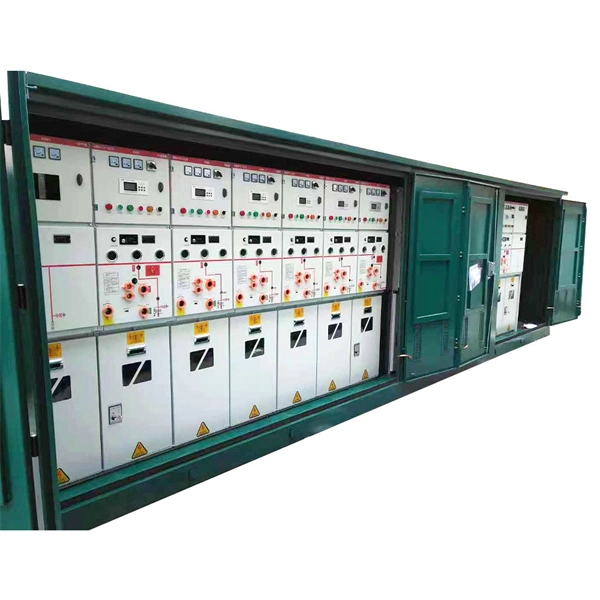
Dynamic thermal environment management technologies for data
Abstract The energy demand of the data center (DC) industry has accounted for 2% of the total global energy
Economic and low-carbon planning for interconnected integrated energy
Establishing interconnected regional energy internets by linking multiple integrated energy systems enables the
Atlantic International University
Hier sollte eine Beschreibung angezeigt werden, diese Seite lässt dies jedoch nicht zu.
(PDF) The Emerging Energy Internet: Architecture
The benefits of the energy Internet, along with the challenges of its implementation on a

Energy Internet
We are pleased to announce that Energy Internet is indexed in IET Inspec.
Chapter 7: The Earth''s Energy Budget, Climate Feedbacks, and
Executive Summary Expand section This chapter assesses the present state of knowledge of Earth''s energy budget: that is, the

Key Technologies for the Energy Internet | Springer Nature Link
In this chapter, we will discuss an overview of the Energy Internet and its major characteristics, the key technologies,

Advanced Wireless Communication Technologies for Energy Internet
Energy Internet brings development opportunities for communication energy. One can make full use of wireless
A comprehensive overview of framework for developing sustainable energy
Abstract Energy Internet (EI) envisions a future energy system with sustainable concerns of efficiency, economy and
Google Translate
Google''s service, offered free of charge, instantly translates words, phrases, and web pages between English and over 100 other

Recent advancement of energy internet for emerging energy
In consequence, a comprehensive review of energy internet features, applications, methods and existing issues and challenges are
5G and energy internet planning for power and communication
A power system supplies energy, and a communication system meets the demand for information exchange. A BS is
Related Resources
- Fiber Optic Grating Fabrication Process Flowchart
- Jamaican Alloy Cable Tray Manufacturer
- Kenya Air-Cooled Switch 40G
- Where can I find anti-corrosion cable trays in North Macedonia
- Afghanistan EDFA400G
- Drop cable splicing connection to fiber distribution box
- Optical Attenuator Front and Back
- Egypt Relay Protection Plant
- How to set the fiber optic fusion splicer to automatic mode
- Customized optical modules from India
- Types of Fiber Optic Connectors ST
- How to quickly fuse terminal boxes
- Recommended Cable Tray Manufacturers in Australia
- Rwanda Rainproof Galvanized Cable Tray
- ST24-core fiber optic patch panel
- Nigeria 12-core indoor optical cable
- Fiber Optic Cable Junction Box Single Window
- PoE Powered Switch Settings